Choosing knee replacement is a major healthcare decision. Patients often begin searching for the Best Knee Replacement Surgery after months or years of increasing pain, reduced walking ability, stiffness, or unsuccessful conservative treatment.
For families in Kanjurmarg, Maharashtra, comparing options becomes easier when attention shifts from advertising claims to measurable aspects of diagnosis, surgical planning, safety, and rehabilitation.
Confirm That Replacement Is Actually Necessary
The first checkpoint is the diagnosis.
Knee replacement should generally be considered when structural damage is sufficiently advanced and symptoms significantly affect function despite appropriate non-surgical management.
A thorough evaluation should connect the patient's pain pattern and functional limitations with physical findings and imaging.
Patients should be cautious about making a surgical decision based on an imaging report alone.
Ask How Much of the Knee Is Damaged
Not every arthritic knee requires the same operation.
When degeneration is confined to one compartment, partial knee replacement may be evaluated. When disease is extensive across the joint, total knee replacement may be more appropriate.
Ask the surgeon to show you the X-rays and explain where cartilage loss is present. Understanding the distribution of arthritis makes the recommended procedure easier to evaluate.
Understand the Role of Robotic Technology
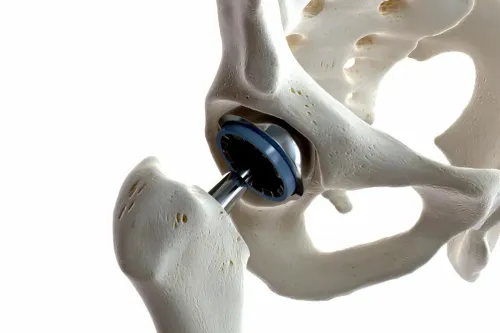
Robotic-assisted surgery can support planning, measurements, bone preparation, and implant positioning. It can be particularly useful as a precision tool during joint replacement.
However, robotic technology does not operate independently.
When comparing the Best Knee Replacement Surgery, ask what system is being used, how it contributes to the procedure, and how the surgeon integrates robotic information with clinical judgement.
Evaluate the Complete Care Pathway
A strong surgical pathway extends beyond the operation itself.
Before proceeding, understand:
- Preoperative medical assessment
- Anaesthesia planning
- Infection-prevention measures
- Pain-management strategy
- Expected hospital stay
- Mobilisation protocol
- Physiotherapy requirements
- Follow-up schedule
- Warning signs after discharge
These practical details can have a major influence on the patient experience.
Discuss Risks Realistically
Every surgical procedure carries potential risks. Knee replacement complications can include infection, blood clots, stiffness, wound problems, persistent symptoms, implant-related issues, or other medical complications.
Risk varies according to individual health.
Patients with diabetes, cardiovascular disease, obesity, previous joint infections, or other medical conditions may require additional optimisation before surgery.
A responsible consultation should explain both potential benefits and relevant risks.
Clarify Recovery Expectations
Recovery is not identical for everyone.
Ask when walking generally begins, how assistive devices are used, what exercises are important, and when routine activities may gradually resume. Avoid judging progress solely against another patient's experience.
Surgeon Selection Matters
Technology and implant brands receive significant attention, but surgeon assessment and surgical judgement remain fundamental.
Dr. Prajyot Jagtap provides knee replacement evaluation with consideration of arthritis distribution, alignment, symptoms, mobility requirements, and appropriate surgical technology. Patients from Kanjurmarg can use the consultation to understand whether partial, total, or robotic-assisted replacement is suitable for their knee.
The Best Knee Replacement Surgery is not simply the newest procedure. It is the correctly indicated operation, performed with careful planning, supported by appropriate technology when useful, followed by structured rehabilitation.
Patients who understand these elements are better equipped to make a considered decision rather than choosing treatment based on a single feature.
Keywords