Hip arthritis can gradually turn simple activities into difficult tasks. Walking longer distances, getting into a vehicle, climbing stairs, putting on footwear, or sleeping comfortably may become increasingly challenging. When advanced joint damage no longer responds adequately to conservative care, Robotic Hip Replacement Surgery may become part of the treatment discussion.
For patients in Powai, Maharashtra, evaluating this option requires understanding both the technology and the fundamentals of hip replacement.
What Happens During Hip Replacement?
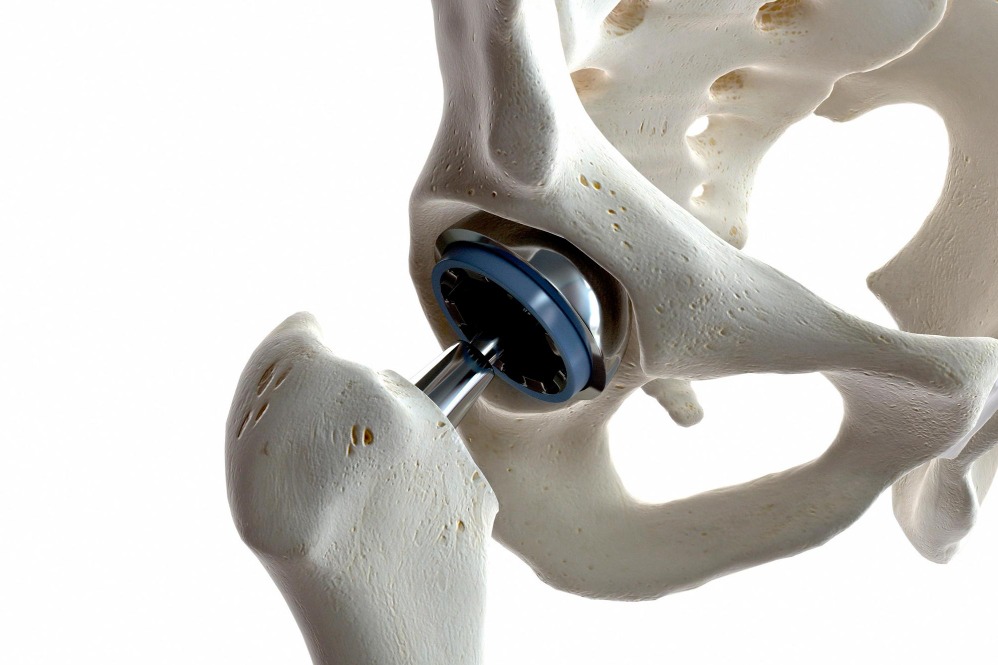
Hip replacement involves removing damaged joint surfaces and replacing them with artificial components. The procedure generally addresses the damaged femoral head and the socket portion of the hip joint.
The objective is to create a stable artificial articulation that can reduce pain associated with severely damaged joint surfaces and support improved mobility.
Accurate component positioning is an important part of the operation.
Where Does Robotic Assistance Fit?
Robotic technology can support detailed surgical planning based on a patient's anatomy. Depending on the system, the surgeon may use digital information to plan implant size, orientation, positioning, and other aspects of reconstruction.
During the procedure, robotic assistance can help translate the plan into controlled surgical execution.
The surgeon remains in control throughout. The robotic platform does not independently decide what procedure a patient needs.
Who Might Need Hip Replacement?
Hip replacement is usually considered after clinical examination and imaging demonstrate substantial joint disease that corresponds with significant symptoms.
Patients may report:
- Persistent groin or hip pain
- Pain extending toward the thigh
- Difficulty walking
- Reduced hip movement
- Limping
- Trouble putting on shoes or socks
- Difficulty getting up from low seating
- Night pain
- Reduced independence in daily activities
Not every patient with hip pain requires replacement. Tendon disorders, spine problems, bursitis, injuries, and other conditions can produce pain around the hip.
Comparing Technology Requires the Right Questions
When assessing Robotic Hip Replacement Surgery, patients should focus on the complete treatment plan.
Useful questions include how severe the arthritis is, why replacement is recommended, what type of implant is appropriate, how robotic planning will be used, and what recovery is likely to involve.
It is equally useful to discuss existing medical conditions, medications, previous surgery, and lifestyle requirements.
Rehabilitation Still Matters
Even highly precise surgery requires biological recovery. Early rehabilitation commonly focuses on safe mobility and basic functional activities. Exercise progression may then address strength, balance, endurance, and movement.
Recovery differs between patients. Preoperative mobility, muscle condition, age, general health, surgical complexity, and adherence to postoperative guidance all influence progress.
Technology Should Support Clinical Judgement
Robotic systems can provide valuable planning and intraoperative information, but they are only one part of modern joint replacement care.
Dr. Prajyot Jagtap evaluates hip symptoms based on examination, imaging, functional impairment, and response to previous treatment. For patients in Powai considering advanced hip replacement, the discussion can include whether robotic assistance is appropriate for their individual anatomy and surgical needs.
A decision about Robotic Hip Replacement Surgery should therefore begin with a more fundamental question: does the hip actually need replacement? Once that has been established, patients can meaningfully evaluate surgical technique, technology, implant considerations, rehabilitation, and expected functional goals.
Keywords