Severe knee arthritis can progressively affect walking, stair climbing, sleep, work, social activities, and independence. When non-surgical treatment no longer provides adequate relief, TKR, or total knee replacement, may be considered.
Patients in Kurla, Maharashtra, who have been advised to consider surgery often have practical questions about when replacement becomes necessary, what happens during the operation, and how recovery progresses.
What Is Total Knee Replacement?
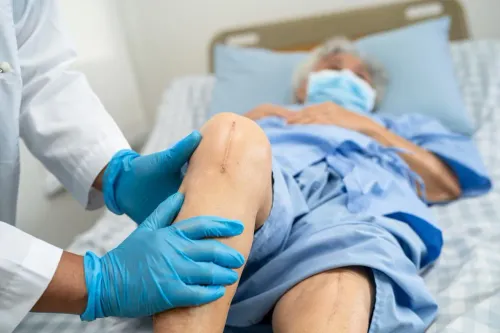
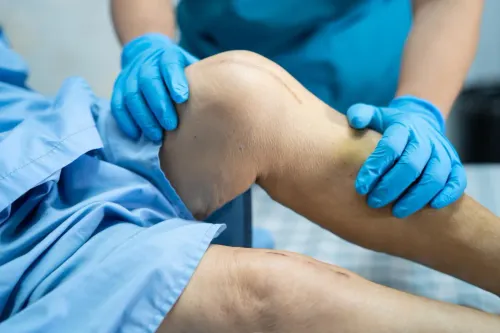
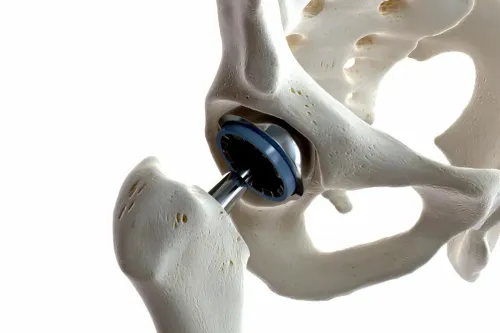
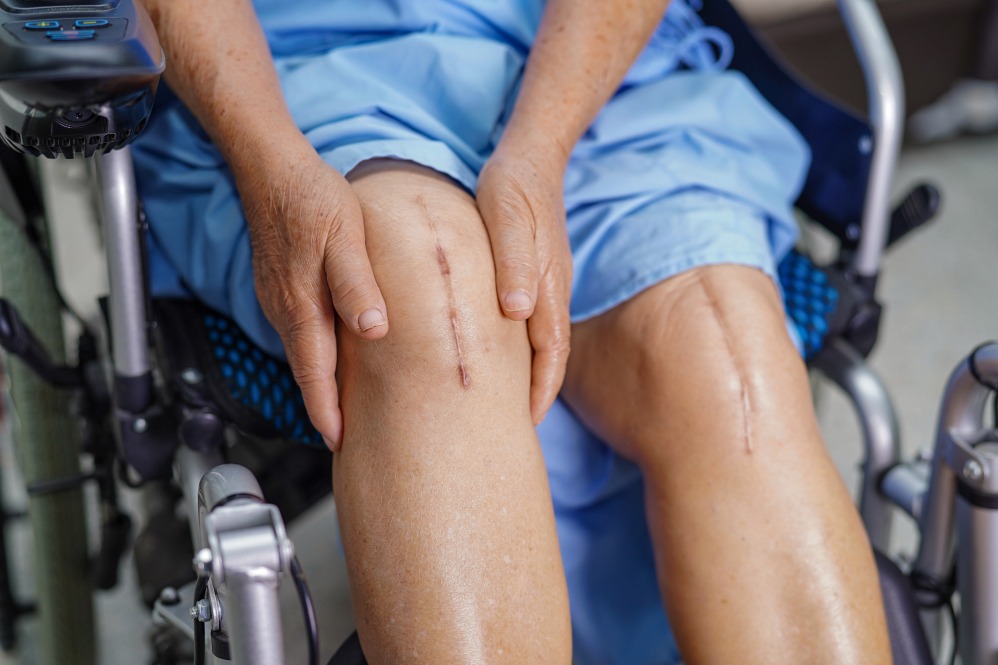
Despite the name, the entire knee is not removed. During TKR, damaged joint surfaces are carefully prepared and resurfaced with artificial components.
The procedure is intended to address painful, severely damaged surfaces while creating a stable joint suitable for functional movement.
It is commonly performed for advanced osteoarthritis but may also be considered for other conditions that significantly damage the knee.
When Does TKR Become Reasonable?
An X-ray showing arthritis does not automatically mean surgery is required.
Replacement is generally considered when there is a combination of structural joint damage and substantial symptoms.
Indicators can include:
- Persistent pain during routine activities
- Severe difficulty walking
- Significant problems using stairs
- Pain affecting sleep
- Progressive stiffness
- Reduced knee movement
- Increasing deformity
- Loss of independence
- Inadequate response to appropriate conservative care
The patient's overall health and expectations also need consideration.
What Happens Before Surgery?
Preoperative preparation is an important part of joint replacement.
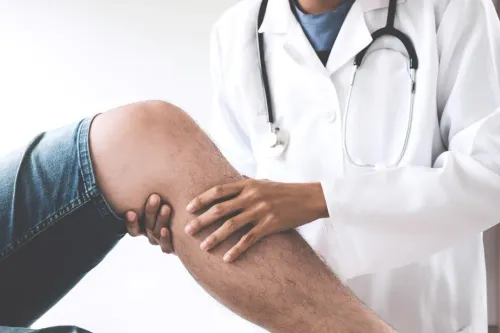
The orthopaedic surgeon reviews imaging and assesses movement, alignment, stability, and the pattern of arthritis. Medical evaluation may include blood tests and other investigations based on age, health conditions, and anaesthetic requirements.
Patients should provide an accurate list of medicines and disclose diabetes, heart disease, previous infections, allergies, or other relevant conditions.
Preparing the home environment and arranging assistance during the early recovery period can also make the transition after hospital discharge easier.
What Happens During Recovery?
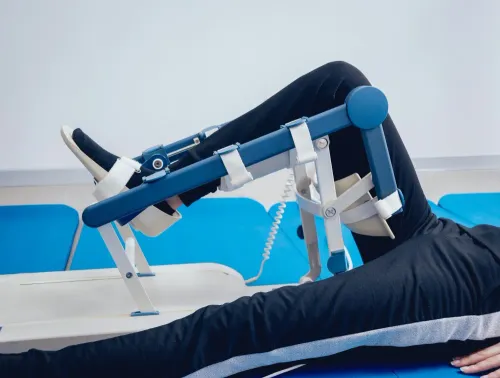
Modern knee replacement rehabilitation usually encourages appropriately supervised mobilisation after surgery.
Early goals commonly include controlling pain and swelling, safely standing and walking, improving knee movement, and activating important muscle groups.
As healing progresses, exercises become more focused on strength, endurance, balance, and functional activities.
Patients should expect improvement to occur progressively rather than instantly. Swelling, stiffness, and muscular weakness can take time to settle.
What Can Affect the Outcome?
Successful TKR depends on several interacting factors. These include appropriate patient selection, surgical technique, implant positioning, infection prevention, medical optimisation, rehabilitation, and patient participation.
Modern technology, including robotic assistance in selected cases, can support surgical planning and execution, but it does not eliminate the need for rehabilitation.
What Should You Discuss With the Surgeon?
Patients should understand why total replacement is being recommended and whether a partial procedure remains an option.
Dr. Prajyot Jagtap evaluates the extent of knee degeneration before determining the appropriate replacement strategy. Patients in Kurla considering surgery can discuss expected benefits, potential risks, technology used during the procedure, and the likely rehabilitation pathway.
TKR can be an important treatment for advanced knee arthritis when pain and disability have become substantial. The decision should be made after correlating symptoms with examination and imaging rather than relying on age or an X-ray report alone.
Knowing what the operation can realistically achieve helps patients approach knee replacement with clearer expectations and a more active role in recovery.
Keywords