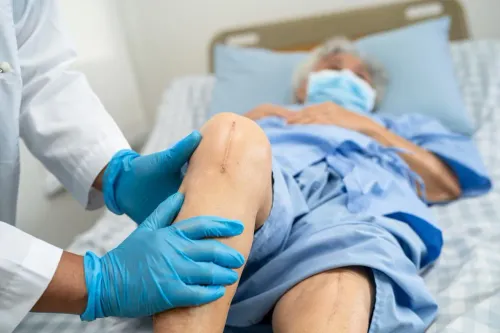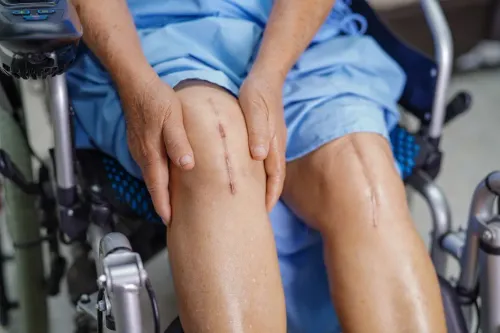
Knee replacement does not always mean replacing the whole joint. When osteoarthritis is limited mainly to a single compartment, UKR, commonly known as unicompartmental knee replacement, may be considered for appropriately selected patients.
For people in Mankhurd, Maharashtra, this distinction is particularly useful when knee pain is severe but imaging shows that substantial portions of the joint remain relatively preserved.
What Is UKR?
The knee contains separate compartments, and osteoarthritis can sometimes be concentrated within only one of them. UKR replaces the damaged surfaces in the affected compartment while preserving other healthy areas.
This makes it fundamentally different from total knee replacement, which resurfaces a larger portion of the joint.
The intention is to treat the diseased compartment without unnecessarily replacing structures that remain functional.
When Is Partial Replacement Considered?
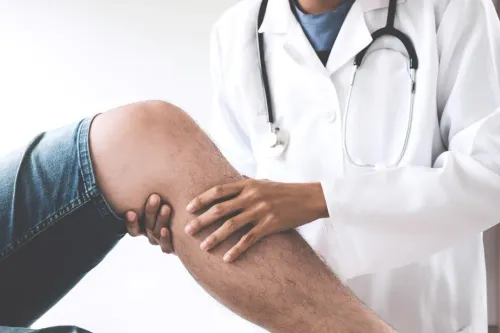
Suitability depends on much more than pain severity. The surgeon needs to determine exactly where the arthritis is located and whether the remaining knee structures can support a partial replacement.
Assessment may include:
- Weight-bearing X-rays
- Physical examination
- Knee stability
- Range of movement
- Alignment
- Location of tenderness
- Condition of other compartments
- Ligament function
In selected circumstances, additional imaging may be required.
Why Preserve Healthy Knee Structures?
Preserving unaffected bone and soft tissues can be advantageous when the disease pattern makes it appropriate.
Because more native knee structures remain, selected patients may experience movement that feels relatively natural after recovery. The procedure can also preserve bone that would otherwise be removed during a total replacement.
However, these potential advantages do not make UKR universally better. A partial replacement performed in a knee with unsuitable disease distribution may not address the actual problem adequately.
When Might Total Replacement Be More Appropriate?
If arthritis has substantially affected several compartments, total knee replacement may provide a more comprehensive reconstruction.
Other factors involving stability, deformity, ligament condition, or joint structure may also influence the choice.
This is why patients should avoid selecting a procedure based solely on the size of the operation. The smallest procedure is not automatically the most appropriate one.
What Should Patients Expect From Recovery?
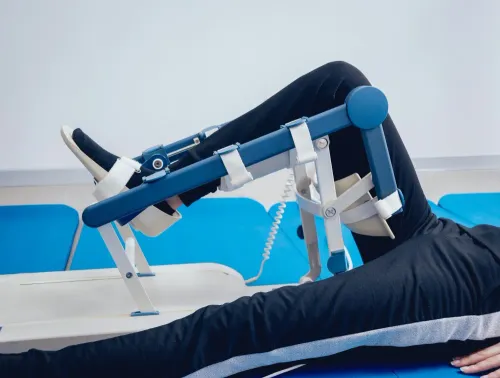
Rehabilitation is designed around safe walking, restoring knee movement, strengthening the muscles supporting the joint, and gradually returning to functional activities.
Some patients undergoing partial replacement may progress relatively quickly, but recovery is individual. The goal should be steady functional improvement rather than meeting someone else's recovery timeline.
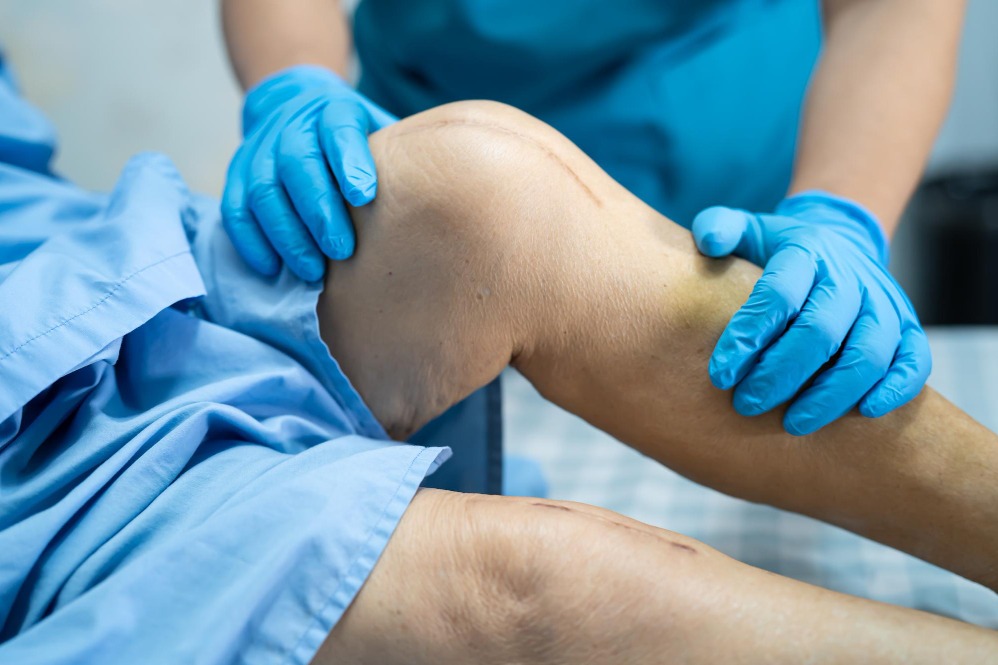
Regular follow-up helps the surgeon monitor wound healing, movement, symptoms, and overall progress.
How Is the Final Decision Made?
Dr. Prajyot Jagtap assesses the distribution of knee arthritis together with symptoms, alignment, stability, and functional needs before recommending the type of replacement. Patients in Mankhurd with localised knee degeneration may therefore be evaluated for a partial procedure rather than assuming that every arthritic knee requires complete replacement.
For suitable patients, UKR offers a targeted approach that treats a specific diseased compartment while preserving useful native structures. For unsuitable patients, another treatment may offer greater reliability.
The important principle is matching the operation to the knee. Detailed assessment allows patients to understand not only whether replacement is required, but how much of the joint genuinely needs to be replaced.
Keywords