Knee and hip discomfort can begin gradually, appear after an injury, or become noticeable when routine activities start placing greater demands on the joints. Searching for the Best Knee Pain/Hip Pain Doctor often begins when home remedies and temporary pain relief no longer provide enough improvement.
For people in Chembur, Maharashtra, the important question is not simply which doctor treats joint pain, but when symptoms justify specialist assessment and what that evaluation should include.
Joint Pain Can Have Many Causes
Knee pain may arise from osteoarthritis, meniscus injuries, ligament damage, cartilage problems, fractures, tendon disorders, or inflammatory conditions.
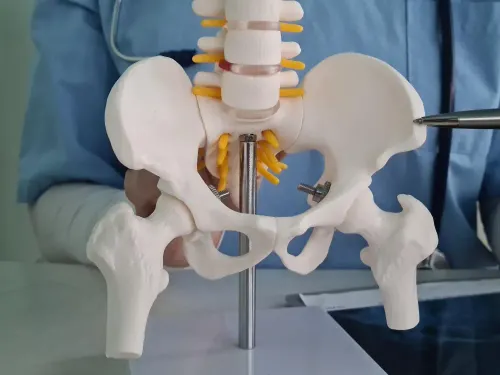
Hip pain can be related to arthritis, tendon problems, bursitis, injuries, referred pain from the spine, or changes within the hip joint itself.
Because several conditions can produce similar symptoms, relying only on where the pain is felt may be misleading.
Signs That Deserve Orthopaedic Assessment
Occasional mild discomfort after unusual activity may settle with rest. Persistent or progressive symptoms deserve more attention.
Consider an orthopaedic evaluation when you notice:
- Pain that repeatedly interferes with walking
- Difficulty climbing stairs
- Reduced joint movement
- Persistent swelling
- Limping
- Pain at night
- Difficulty getting out of a chair
- Increasing reliance on pain medicines
- Knee instability or locking
- Hip stiffness affecting footwear or daily activities
- Symptoms following a substantial injury
Sudden inability to bear weight, severe swelling after trauma, deformity, or other acute symptoms may require more urgent assessment.
What Should a Good Evaluation Include?
A useful consultation should go beyond identifying the painful area. The doctor should understand when symptoms started, how they have progressed, what activities aggravate them, previous treatments, existing medical conditions, and how the problem affects daily life.
Physical examination can assess joint movement, alignment, stability, tenderness, muscle strength, and walking pattern.
Imaging is selected according to clinical need. X-rays can reveal arthritis, alignment changes, fractures, or other bone abnormalities. MRI may be appropriate when detailed assessment of ligaments, cartilage, menisci, tendons, or other soft tissues is needed.
Treatment Should Match the Diagnosis
Finding the Best Knee Pain/Hip Pain Doctor should not mean finding someone who immediately recommends surgery. Many joint problems can initially be managed through non-surgical methods.
Depending on the diagnosis, management may include:
- Activity modification
- Physiotherapy
- Muscle strengthening
- Weight-management guidance when appropriate
- Medication
- Selected injections
- Assistive devices
- Surgical treatment when clearly indicated
The appropriate sequence varies between patients.
When Does Joint Replacement Become Relevant?
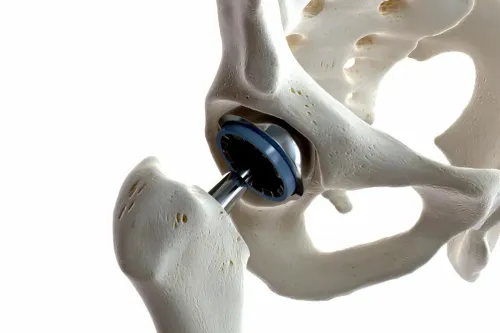
Joint replacement is generally considered for advanced joint damage when pain and functional limitation remain substantial despite appropriate conservative treatment.
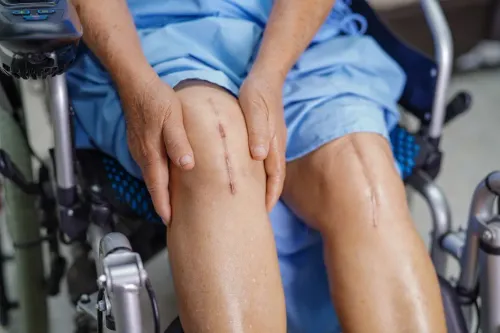
For knee arthritis, options may range from joint-preserving approaches to partial or total knee replacement depending on the extent and location of damage. Advanced hip arthritis may eventually require hip replacement when symptoms substantially compromise mobility and quality of life.
Age alone does not determine the decision. Symptoms, imaging, general health, functional limitations, and response to previous treatment all matter.
Choosing Specialist Care Thoughtfully
Patients in Chembur looking for joint care should consider experience with both conservative treatment and surgical options. Clear communication is equally important because patients need to understand why a particular treatment is being recommended.
Dr. Prajyot Jagtap provides orthopaedic assessment for knee and hip conditions, including degenerative joint problems and conditions that may require replacement surgery.
The most useful way to identify suitable care is to seek a diagnosis before deciding on a treatment. Persistent joint pain is a symptom rather than a complete diagnosis, and understanding its cause creates a clearer path toward maintaining mobility.
Keywords