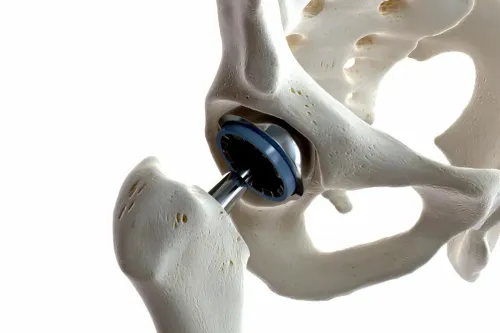
Severe shoulder arthritis can gradually make simple movements difficult. Reaching a shelf, getting dressed, washing hair, lifting household items, or sleeping comfortably may become challenging as pain and stiffness progress.
When conservative treatments no longer provide adequate relief and joint damage is advanced, shoulder replacement may be discussed. Choosing the Best Shoulder Replacement Surgeon requires careful evaluation of both the surgeon and the proposed treatment plan.
When Is Shoulder Replacement Considered?
Shoulder replacement is not usually the first treatment for shoulder pain.
Initial management may include medication, physiotherapy, activity modification, and selected injections depending on the condition.
Replacement may be considered when there is substantial joint damage accompanied by persistent symptoms and functional limitation.
Conditions that may lead to replacement include advanced arthritis and certain complex shoulder problems. The appropriate procedure depends on the condition of the joint, rotator cuff, bone, and surrounding structures.
Different Shoulder Replacements Serve Different Needs
Shoulder replacement is not a single standardized operation.
Depending on the diagnosis, a surgeon may consider an anatomical shoulder replacement or a reverse shoulder replacement. Each procedure has different indications.
The decision requires careful assessment rather than selecting a procedure based solely on age or pain severity.
Shoulder Replacement Consultation in Vidya Vihar
Patients considering shoulder surgery around Vidya Vihar, Mumbai, Maharashtra, should seek an evaluation that includes examination of shoulder movement, strength, previous treatment, imaging findings, and functional limitations.
Dr. Prajyot Jagtap assesses whether replacement is appropriate and discusses alternative treatment options where relevant.
What Should You Ask Before Surgery?
Important questions include:
- What exactly has been damaged?
- Why is replacement recommended?
- Which type of shoulder replacement is suitable?
- Are other treatments still reasonable?
- What are the important risks?
- How long will rehabilitation take?
- What activities may be possible after recovery?
Clear answers help patients develop realistic expectations.
Preparing for Recovery
Rehabilitation after shoulder replacement is gradual. The initial phase may focus on protecting healing tissues and maintaining appropriate movement. Strengthening is introduced according to the surgical procedure and recovery progress.
Patients should understand that recovery involves participation beyond the operating room.
Selecting a shoulder replacement surgeon should therefore involve more than searching for a prominent title. Relevant surgical experience, careful diagnosis, clear communication, realistic expectations, and a structured rehabilitation plan are all important parts of making an informed treatment decision.
Keywords