Joint pain can lead many people to assume that replacement surgery is inevitable. In reality, modern orthopaedic care includes several Joint Preservation strategies intended to maintain natural joint structures when the condition, age, activity level, and extent of damage make preservation practical.
The key question is not simply whether a joint hurts. It is whether the underlying damage can still be managed while retaining the natural joint.
Preservation Treatment Depends on the Diagnosis
Joint preservation may involve non-surgical treatment, minimally invasive procedures, or reconstructive surgery.
Depending on the condition, management can include physiotherapy, strength training, lifestyle modifications, medication, injections, arthroscopic treatment, cartilage restoration procedures, or correction of mechanical problems.
A younger athlete with a localized cartilage injury, for example, requires a very different strategy from an older patient with widespread advanced arthritis.
Preservation Compared With Replacement
Joint preservation aims to retain as much natural tissue as possible.
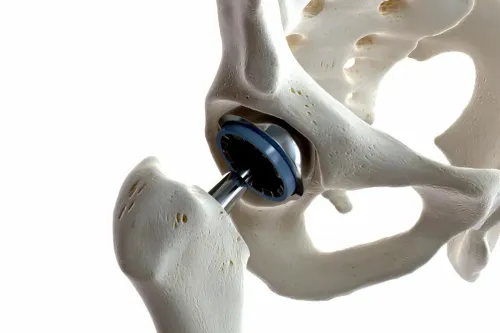
Joint replacement removes damaged joint surfaces and replaces them with artificial components. Replacement can be highly relevant for advanced arthritis, but it is generally considered after evaluating whether less extensive approaches remain appropriate.
Preservation may be more relevant when:
- Damage is localized
- Arthritis is at an earlier stage
- Joint stability can be restored
- Alignment problems can potentially be corrected
- Significant healthy joint tissue remains
- Symptoms correspond to a treatable structural problem
Replacement may become more appropriate when joint damage is extensive and persistent symptoms substantially affect everyday function.
Orthopaedic Assessment in Govandi
Patients seeking joint care around Govandi, Mumbai, Maharashtra may benefit from discussing both immediate symptom management and the longer-term health of the affected joint.
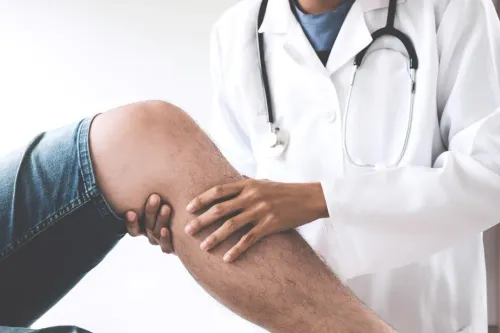
Dr. Prajyot Jagtap assesses clinical symptoms, joint function, imaging findings, lifestyle requirements, and previous treatment before recommending a management plan.
This helps avoid two common extremes: undergoing surgery before it is necessary or continuing ineffective conservative treatment despite progressive structural problems.
What Can Patients Do to Protect Their Joints?
Several practical measures can support joint health:
- Maintain appropriate muscle strength
- Avoid repeatedly training through significant pain
- Treat ligament injuries appropriately
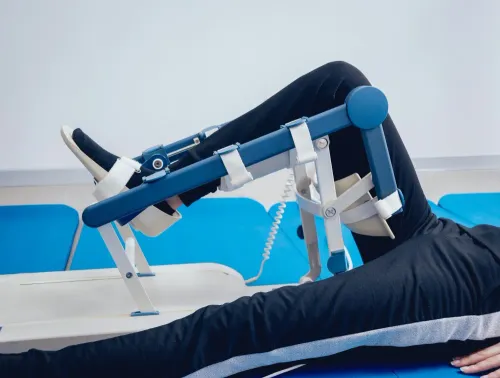
- Follow rehabilitation after sports injuries
- Maintain a healthy body weight where relevant
- Increase activity gradually after prolonged inactivity
- Seek assessment for persistent swelling or instability
These measures cannot prevent every form of arthritis, but they can reduce avoidable stress and help maintain function.
Joint preservation works best when treatment is matched to the specific problem. Understanding what remains healthy within the joint is just as important as identifying what has been damaged.
Keywords