A diagnosis of knee pain or early arthritis does not automatically mean joint replacement is the next step. For many patients, particularly those with early joint damage or specific mechanical problems, treatment may focus on preserving the natural knee for as long as reasonably possible.
Knee Preservation describes a range of strategies aimed at reducing symptoms, improving function, and addressing underlying problems before replacement becomes necessary.
What Does Knee Preservation Include?
There is no single knee preservation procedure. Treatment is selected according to the cause and stage of the problem.
Options may include:
- Targeted physiotherapy
- Muscle strengthening
- Activity modification
- Weight management where appropriate
- Medication
- Selected injection therapies
- Arthroscopic procedures for specific indications
- Cartilage procedures in suitable patients
- Alignment-correcting procedures in selected cases
The appropriate approach can differ significantly between two people who both describe their problem simply as 'knee pain.'
Why Early Assessment Matters
Some knee conditions gradually become more difficult to manage when ignored.
For example, persistent instability following a ligament injury may place abnormal stress on other structures. Alignment problems can concentrate loading in one area of the knee. Cartilage injuries may also require different management depending on their size, location, and symptoms.
Early assessment does not necessarily mean early surgery. It provides an opportunity to identify the cause and determine whether joint-preserving treatment is possible.
Knee Preservation in Deonar and Nearby Areas
For active adults in Deonar, Mumbai, Maharashtra, maintaining mobility can be important for work, exercise, commuting, and daily responsibilities.
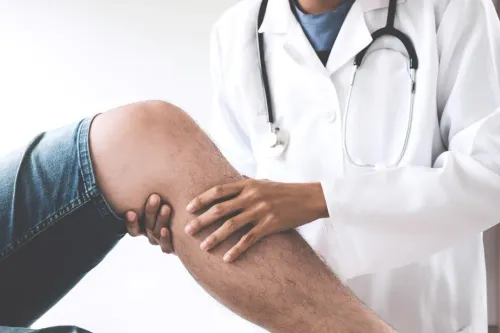
Dr. Prajyot Jagtap evaluates the knee as a whole rather than focusing only on pain intensity. Examination may include joint movement, stability, alignment, muscle strength, previous injuries, and imaging findings.
This helps determine whether preservation strategies remain appropriate.
When Might Replacement Become Necessary?
Joint replacement may eventually be considered when arthritis becomes advanced and symptoms substantially interfere with everyday life despite appropriate non-operative or joint-preserving treatment.
Common concerns include persistent pain, significant stiffness, difficulty walking, reduced independence, and limitations that continue despite treatment.
Age alone does not determine the decision. Symptoms, structural damage, health status, activity requirements, and quality of life all contribute.
Knee preservation is therefore not about postponing necessary treatment indefinitely. It is about using the natural joint intelligently while suitable options remain available.
A timely orthopaedic evaluation can help patients understand the stage of their knee condition and choose treatment based on the actual problem rather than assuming that every painful knee eventually requires immediate replacement.
Keywords