A meniscus injury can make ordinary movements such as walking, climbing stairs, squatting, or getting up from a chair uncomfortable. Some people notice pain after a sports injury, while others develop symptoms gradually because of age-related changes in the knee. Understanding the available options for Meniscus Treatment/Repair can help patients make informed decisions about protecting knee function.
For patients in Ghatkopar, Maharashtra, persistent knee pain after twisting or loading the joint deserves proper assessment rather than repeated self-treatment with pain-relieving medicines.
What Is the Meniscus?
Each knee contains two menisci, which are crescent-shaped pieces of fibrocartilage positioned between the thigh bone and shin bone. They help distribute load, absorb shock, improve joint stability, and protect the articular cartilage.
A meniscus can tear during a sudden twisting movement, particularly when the foot remains planted. Degenerative tears may also occur gradually as the tissue becomes less resilient with age.
Common symptoms include:
- Pain along the knee joint line
- Swelling or stiffness
- Difficulty bending the knee fully
- Pain during squatting or twisting
- Clicking or catching sensations
- A feeling that the knee may give way
- Occasional locking of the knee
Not every clicking sound indicates a meniscus tear, so diagnosis should be based on clinical assessment rather than symptoms alone.
How Is a Meniscus Injury Diagnosed?
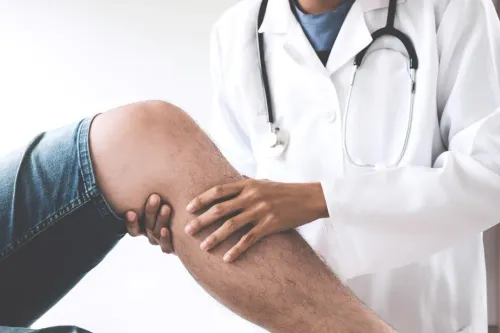
An orthopaedic evaluation generally begins with understanding how the symptoms developed. The doctor may examine tenderness, movement, stability, swelling, and movements that reproduce the pain.
X-rays may be useful for identifying associated bone or arthritic changes, although the meniscus itself does not appear clearly on a standard X-ray. MRI may be advised when detailed evaluation of the meniscus, cartilage, ligaments, and other soft tissues is required.
Does Every Meniscus Tear Need Surgery?
No. Meniscus Treatment/Repair depends on several factors, including the type of tear, its location, the patient's age, activity requirements, associated injuries, and the condition of the rest of the knee.
Small or stable tears may sometimes be managed conservatively. Depending on the diagnosis, treatment can include temporary activity modification, rehabilitation, strengthening exercises, and measures to control pain or swelling.
Surgery may be considered when symptoms remain significant, the knee repeatedly locks, a repairable tear is identified, or the injury is associated with another structural knee problem.
What Does Meniscus Repair Involve?
When possible and appropriate, preserving meniscal tissue can be valuable because the meniscus contributes to long-term load distribution within the knee. Arthroscopic techniques allow an orthopaedic surgeon to inspect the joint through small incisions.
Certain tears may be repaired with sutures or specialised fixation devices. Other damaged areas that cannot reasonably heal may require selective trimming rather than repair.
The appropriate approach depends heavily on tear pattern and blood supply. Tears in better-vascularised areas generally have greater healing potential than tears in poorly vascularised portions.
Recovery Is Part of the Treatment
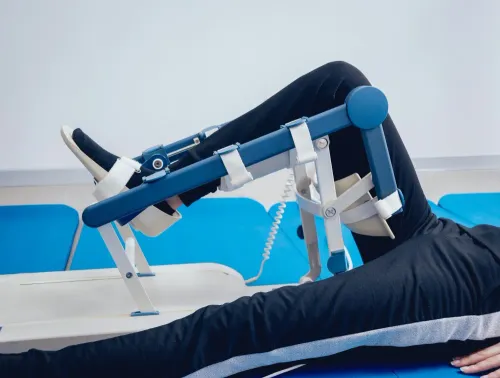
Successful care does not end with the procedure. Rehabilitation may involve controlled weight-bearing, progressive knee movement, muscle strengthening, and gradual return to daily activities.
Recovery timelines vary considerably. A repaired meniscus may require more protection during early healing than a small portion that has been trimmed.
Dr. Prajyot Jagtap evaluates knee problems with attention to the patient's symptoms, imaging findings, activity expectations, and overall joint condition. For people in Ghatkopar experiencing persistent pain, swelling, catching, or locking, identifying the actual source of the problem is the most useful first step.
Early assessment is particularly important when symptoms follow a significant injury or interfere repeatedly with normal movement. The aim of appropriate meniscus care is not simply to reduce pain temporarily, but to preserve useful knee function wherever possible.
Keywords