A rotator cuff tear can cause pain, weakness, difficulty raising the arm, reduced shoulder function, and discomfort at night. Some tears respond well to non-surgical treatment, while others continue to interfere with daily activities despite appropriate rehabilitation.
In selected cases, Rotator Cuff Repair Surgery may be considered to repair the damaged tendon and restore the mechanics of the shoulder.
What Is the Rotator Cuff?
The rotator cuff consists of a group of muscles and tendons surrounding the shoulder joint. These structures help stabilize the shoulder and allow controlled arm movement.
Tears can occur following an injury or develop gradually due to degenerative changes.
Symptoms may include:
- Pain when lifting the arm
- Weakness during overhead movement
- Night pain
- Difficulty reaching behind the back
- Reduced ability to perform work or sports activities
- Pain following a fall or sudden shoulder injury
Symptoms alone cannot determine the size or severity of a tear.
When Is Surgery Considered?
Many rotator cuff problems are initially treated conservatively.
Physiotherapy, activity modification, medication, and selected injections may be considered depending on the patient's condition.
Surgery may become relevant when there is persistent pain or weakness despite appropriate treatment, a significant traumatic tear, substantial functional limitation, or imaging findings that support repair.
Age, tendon quality, tear characteristics, general health, and activity expectations are also considered.
Rotator Cuff Treatment in Nahur
Patients experiencing ongoing shoulder weakness around Nahur and neighbouring areas of Mumbai, Maharashtra, can undergo an orthopaedic evaluation to determine whether symptoms are related to a rotator cuff tear or another shoulder condition.
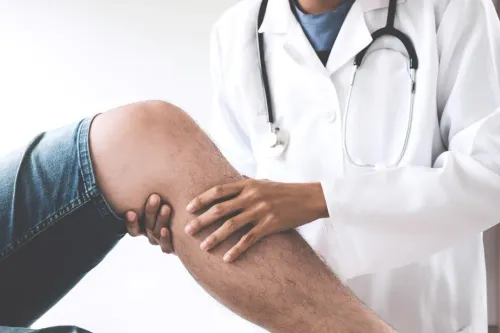
Dr. Prajyot Jagtap assesses shoulder movement, strength, injury history, functional limitations, and imaging before recommending treatment.
Where repair is appropriate, arthroscopic techniques may be used for many rotator cuff procedures.
What Happens After Rotator Cuff Repair?
Recovery is not immediate because the repaired tendon requires time to heal.
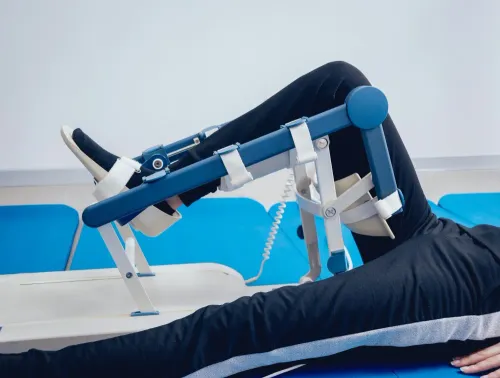
Depending on the procedure, patients may initially use a sling. Rehabilitation then progresses through different stages, which can include protected movement, gradual restoration of range, strengthening, and eventual return to appropriate activities.
Trying to accelerate rehabilitation beyond the recommended stage can place unnecessary stress on healing tissues.
When Should Shoulder Weakness Be Evaluated?
Persistent weakness deserves particular attention, especially after an injury. Sudden inability to lift the arm, significant loss of function, or ongoing night pain should not be dismissed as routine muscle soreness.
Early assessment can clarify whether the problem requires rehabilitation, continued observation, or surgical consideration.
Rotator cuff repair is not necessary for every tear. The most appropriate decision comes from matching the treatment to the tear characteristics, symptoms, functional requirements, and individual patient's needs.
Keywords