Occasional muscle soreness or mild joint discomfort often settles with rest and basic care. Persistent symptoms are different. Pain that repeatedly interferes with walking, work, sleep, exercise, or everyday movement deserves proper evaluation.
People searching for the Best Orthopaedic Surgeon are often unsure whether their problem is serious enough to justify an appointment. Several signs can help guide that decision.
Pain That Does Not Settle
Persistent joint or bone pain should not simply be ignored for months, particularly when it is becoming progressively worse.
An orthopaedic consultation may be appropriate when pain:
- Continues despite rest and basic treatment
- Frequently returns after activity
- Disturbs sleep
- Limits walking or climbing stairs
- Prevents normal exercise
- Requires repeated pain medication
The objective is to identify the underlying cause rather than continually suppress symptoms.
Swelling, Instability and Restricted Movement
Pain is not the only reason to seek assessment.
Persistent swelling can indicate joint irritation or structural injury. A knee that repeatedly gives way may have a ligament or stability problem. Difficulty lifting the arm could indicate a significant shoulder condition.
Sudden loss of movement following an injury also deserves attention.
When an Injury Needs Specialist Evaluation
Sports injuries can sometimes appear minor immediately after they occur. Swelling and instability may become more noticeable later.
An orthopaedic evaluation is particularly useful following twisting injuries, falls, direct impact, suspected fractures, joint dislocations, or injuries associated with a popping sensation and subsequent swelling.
Finding Orthopaedic Care in Kanjurmarg
For patients in Kanjurmarg and nearby Mumbai, Maharashtra, convenient access to assessment can make follow-up and rehabilitation easier, particularly when several visits are required.
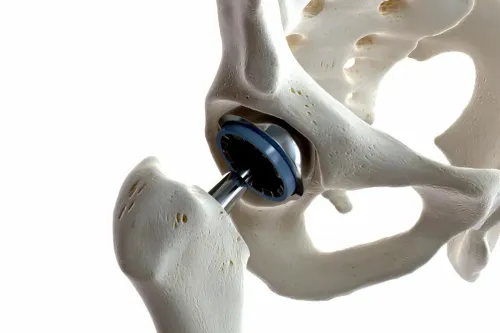
Dr. Prajyot Jagtap evaluates orthopaedic concerns involving the knee, shoulder, sports injuries, arthroscopic conditions, and joint replacement needs.
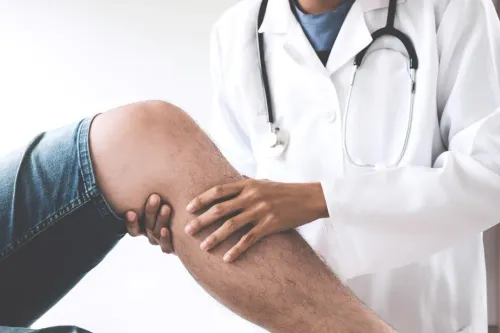
A specialist consultation generally involves understanding how symptoms started, examining movement and stability, reviewing previous treatment, and ordering imaging when clinically required.
What Makes an Orthopaedic Consultation Useful?
A productive consultation should answer three basic questions:
- What is causing the problem?
- How severe is it?
- What are the reasonable treatment options?
Surgery is not automatically the outcome of seeing an orthopaedic surgeon. Depending on the diagnosis, treatment may involve physiotherapy, medication, exercise modification, injections, rehabilitation, or observation.
When symptoms repeatedly interfere with normal life, getting a clear diagnosis can prevent unnecessary delays and provide a more structured path toward recovery.
Keywords