Shoulder pain can affect far more than exercise or sports. Reaching overhead, putting on clothes, lifting a bag, driving, or even sleeping on one side can become uncomfortable when a shoulder problem persists. While many conditions improve with rest, medication, physiotherapy, and activity modification, some structural injuries require a closer assessment.
Shoulder Arthroscopy is a minimally invasive surgical technique used to diagnose and treat selected problems inside the shoulder joint. Instead of making a large incision, the surgeon inserts a small camera called an arthroscope through a small opening. The camera provides a detailed view of the structures within the shoulder, while specialized instruments can be introduced through additional small incisions when treatment is required.
What Conditions Can Shoulder Arthroscopy Treat?
An orthopaedic specialist may consider arthroscopic treatment for conditions such as:
- Rotator cuff tears
- Labral injuries
- Recurrent shoulder instability
- Certain impingement-related conditions
- Loose cartilage or tissue
- Selected biceps tendon problems
- Persistent symptoms associated with specific structural injuries
The decision depends on the exact diagnosis, severity of the injury, age, activity level, overall health, and response to previous treatment.
Does Every Shoulder Injury Need Arthroscopy?
No. Many shoulder conditions can initially be managed without surgery. Physiotherapy may help restore movement and strengthen the muscles supporting the shoulder. Medication, temporary activity changes, and other treatments may also be recommended depending on the diagnosis.
Surgery is generally considered when symptoms remain significant despite appropriate conservative treatment or when scans reveal an injury that is unlikely to recover adequately without repair.
People experiencing persistent shoulder problems in Ghatkopar and surrounding areas of Mumbai, Maharashtra, can benefit from an orthopaedic evaluation before assuming that surgery is necessary.
What Happens Before the Procedure?
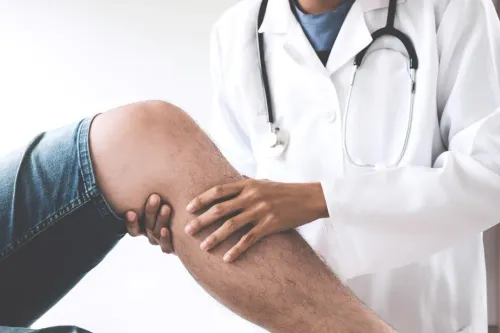
A detailed assessment usually includes discussion of symptoms, physical examination, and review of investigations such as X-rays, ultrasound, or MRI when appropriate.
Dr. Prajyot Jagtap evaluates the underlying cause of shoulder symptoms before determining whether arthroscopic treatment is suitable. This is important because similar symptoms can arise from different shoulder conditions and may require different treatment approaches.
What About Recovery?
Recovery varies considerably depending on what is performed during arthroscopy. A diagnostic procedure or minor treatment may have a different recovery period from rotator cuff repair or stabilization surgery.
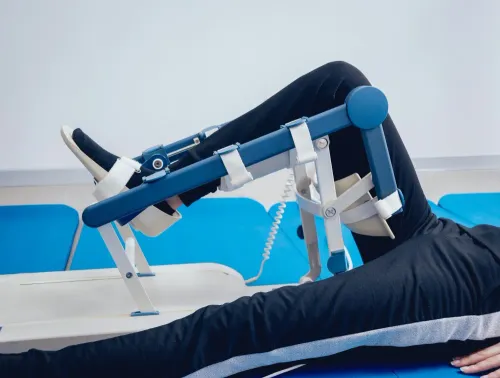
Physiotherapy commonly forms an important part of rehabilitation. Patients may gradually work on mobility, strength, stability, and return to everyday activities according to the surgeon's rehabilitation plan.
Shoulder arthroscopy is therefore best understood as a treatment technique rather than a single operation. The expected recovery and outcome depend on the condition being treated and the procedure performed.
For persistent pain, weakness, instability, or restricted shoulder movement, identifying the underlying problem is the most important first step.
Keywords